Breaking free from gambling addiction A path to recovery
Public
01 Apr, 2026
Understanding Gambling Addiction
Gambling addiction, or compulsive gambling, is a serious condition characterized by an uncontrollable urge to gamble despite negative consequences. Many individuals may start gambling as a form of entertainment, but it can quickly escalate into a destructive habit. This addiction affects personal relationships, finances, and overall mental health, leading to feelings of shame and isolation. For those looking for more information, a great resource is https://www.njskitchen.com/, which offers insights into recovery strategies.
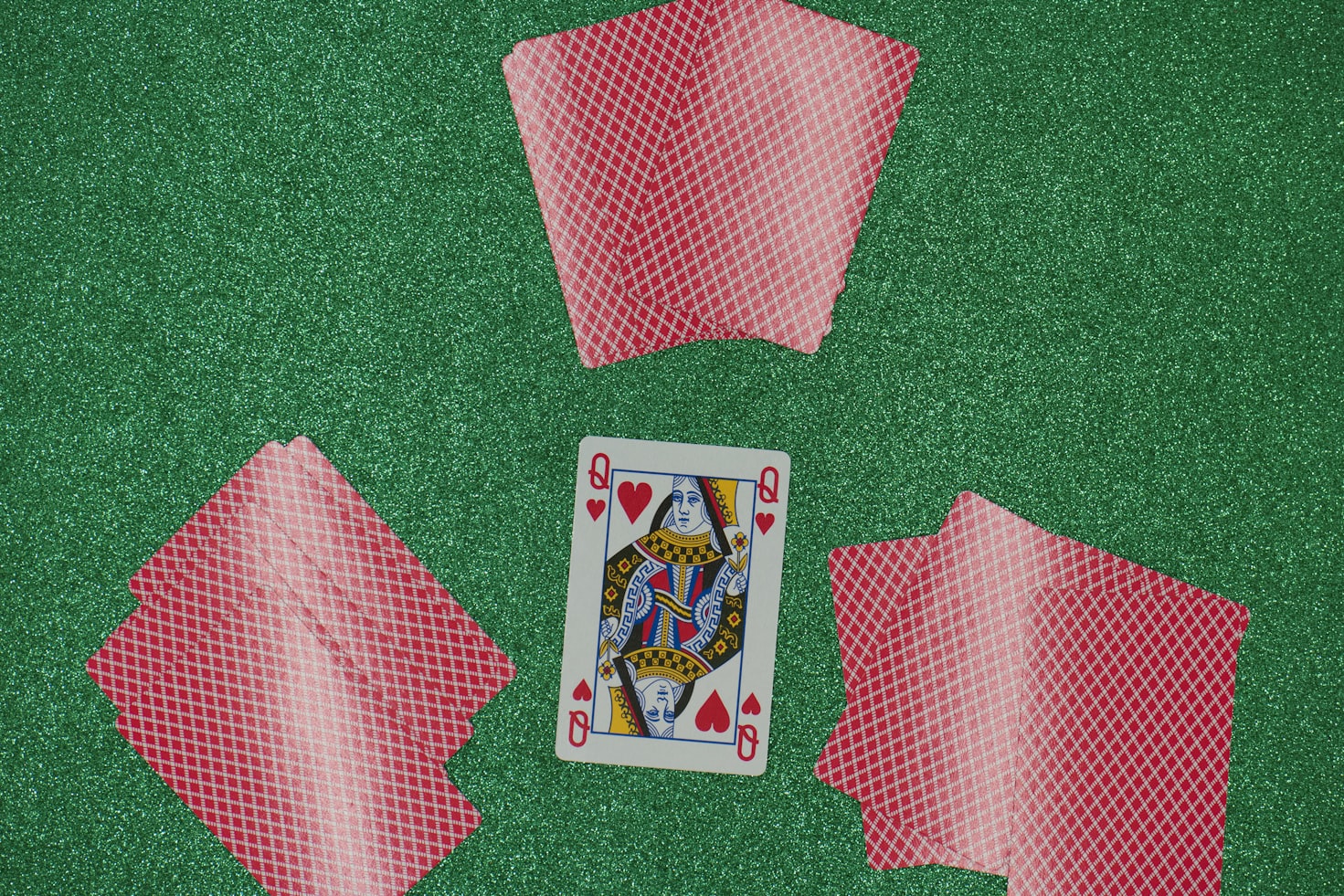
Recognizing the signs of gambling addiction is crucial for initiating recovery. Common indicators include frequent thoughts about gambling, an increasing need to gamble with larger amounts, and lying about gambling habits. Understanding these symptoms is the first step in addressing the issue and seeking help.
The Emotional Toll of Gambling
The emotional consequences of gambling addiction can be profound. Individuals often experience anxiety, depression, and feelings of hopelessness as they grapple with their addiction. The cycle of winning and losing can create a rollercoaster of emotions, leading to a distorted perception of reality. Many gamblers mistakenly believe that a big win is just around the corner, which keeps them trapped in the cycle.
Additionally, the impact on relationships can be devastating. Loved ones may feel betrayed, and trust can erode as financial troubles escalate. This emotional toll not only affects the individual but extends to family and friends, highlighting the need for a supportive recovery network.
Steps to Recovery
Recovering from gambling addiction requires a multi-faceted approach. The first step is often admitting the problem and seeking help. This can include therapy, support groups, or even rehabilitation programs designed specifically for gambling addiction. Professional guidance can provide valuable tools to cope with triggers and develop healthier habits.
Moreover, creating a personal recovery plan can be beneficial. This plan may include setting financial boundaries, finding alternative activities to replace gambling, and building a support network of family and friends who understand the journey. Recovery is an ongoing process that requires commitment and self-reflection.
Healthy Coping Strategies
Finding healthy alternatives to gambling is essential in the recovery process. Engaging in activities such as exercise, art, or volunteering can help fill the void left by gambling. These activities not only distract from the urge to gamble but also promote positive mental health and well-being.
Mindfulness practices, such as meditation and deep breathing exercises, can also be effective in managing stress and anxiety associated with recovery. Developing these coping strategies can empower individuals to regain control over their lives and build resilience against future temptations.
Resources for Support and Recovery
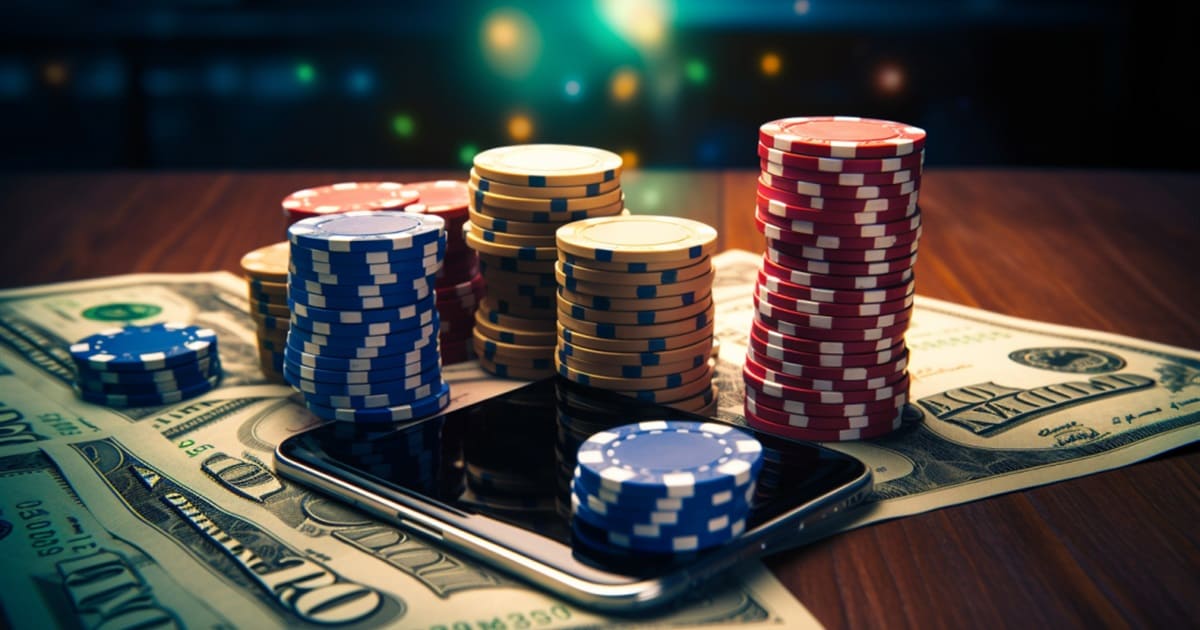
For those seeking assistance, there are numerous resources available to support individuals struggling with gambling addiction. Professional therapy, counseling, and support groups provide a safe space to share experiences and learn from others. These communities foster understanding and compassion, which are vital for recovery.
Online platforms offer additional guidance, providing valuable information and tips for maintaining a healthy relationship with gambling. It is crucial to recognize that reaching out for help is a sign of strength, and support is always available for those willing to take the first step toward a healthier, more fulfilling life.